Music
US musicians supporting indigenous language preservation

Music as a Tool for Cultural Preservation
US musicians supporting indigenous language preservation
In recent years, there has been a growing movement among US musicians to support the preservation of indigenous languages. Artists like Nahko Bear and Supaman have used their platforms to raise awareness about the importance of keeping these languages alive.
- Nahko Bear, a musician of Native American descent, incorporates traditional indigenous languages into his music, helping to bring attention to their beauty and significance.
- Supaman, a Crow hip-hop artist, raps in both English and his native language, using music as a tool to connect with younger generations and keep the Crow language alive.
Through their music, these artists are not only entertaining audiences but also serving as advocates for cultural preservation.
Collaborations with Indigenous Artists
US musicians supporting indigenous language preservation
In recent years, there has been a growing movement among US musicians to support indigenous language preservation through their music. Artists such as Nahko Bear and Xavier Rudd have actively collaborated with Indigenous artists to bring awareness to the importance of preserving these languages.
- Nahko Bear, known for his soulful music, has worked with Native American musicians to incorporate traditional languages into his songs. For example, in his song "Aloha Ke Akua," he sings in Hawaiian to honor the culture and language of the indigenous people of Hawaii.
- Xavier Rudd, a folk musician from Australia, has also joined this movement by collaborating with Aboriginal artists. In his song "Spirit Bird," he incorporates lyrics in Yolngu Matha, an indigenous language spoken in parts of Australia.
These collaborations not only showcase the beauty of indigenous languages but also help to keep them alive for future generations. By using their platform to amplify the voices of Indigenous artists, these musicians are making a meaningful impact in the preservation of these languages.
Fundraising for Language Programs
US musicians supporting indigenous language preservation
In a heartwarming initiative, several US musicians have come together to support indigenous language preservation efforts. Artists like Taboo from the Black Eyed Peas and Billie Eilish have shown their commitment to this cause by organizing benefit concerts and releasing songs in indigenous languages.
Fundraising for Language Programs
These musicians are not only raising awareness but also actively fundraising for language programs that aim to revitalize and preserve indigenous languages. For example, Taboo recently held a virtual concert where all proceeds went towards supporting language immersion programs in Native American communities.
- Billie Eilish auctioned off exclusive merchandise with lyrics translated into indigenous languages, with all proceeds going towards building language learning centers.
- Other artists have also joined the movement by incorporating indigenous elements into their music and using their platforms to amplify the voices of indigenous language speakers.
Advocacy for Indigenous Language Rights
US Musicians Supporting Indigenous Language Preservation
Many musicians in the United States have taken up the cause of advocating for indigenous language preservation. One such example is folk singer and songwriter, Joanne Shenandoah, who has dedicated her career to raising awareness about the importance of preserving indigenous languages.
- John Trudell, a poet, musician, and activist of Santee Dakota and Mexican descent, used his music to advocate for indigenous language rights.
- Ulali, a Native American women's a cappella group, sings in various indigenous languages to celebrate and preserve their cultural heritage.
These musicians use their platform to bring attention to the plight of indigenous languages at risk of extinction, highlighting the importance of preserving these languages for future generations.
Incorporating Indigenous Languages in Songs
US Musicians Embracing Indigenous Languages
Many US musicians are showing their support for indigenous language preservation by incorporating native languages into their songs.
- Example 1: The band Earth, Wind & Fire included lyrics in the indigenous language of the Cherokee Nation in their hit song "Fantasy".
- Example 2: Taboo from The Black Eyed Peas raps in both English and Shoshone, his native language, in his solo music.
- Example 3: Nahko Bear, a musician of Apache, Puerto Rican, and Filipino descent, often incorporates indigenous languages like Apache and Hawaiian into his songs.
This trend not only celebrates the rich cultural heritage of indigenous communities but also helps in preserving and revitalizing these endangered languages.
Performances at Indigenous Events
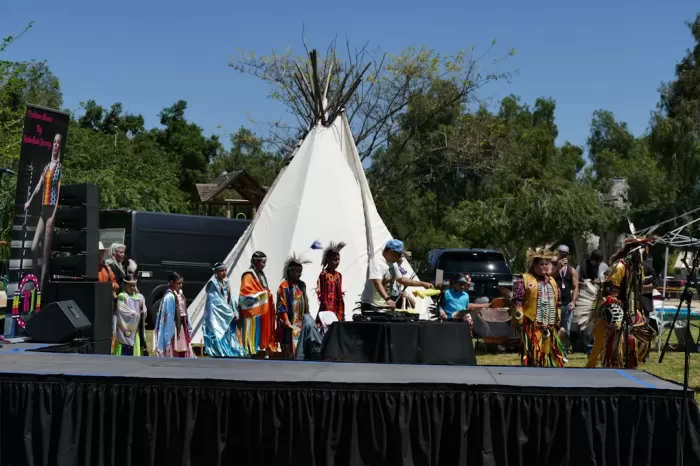
US musicians supporting indigenous language preservation:
-
Key examples:
Grammy-winning artist Joanne Shenandoah actively promotes the preservation of the Oneida language through her music.
Ulali, a Native American women's a cappella group, incorporates traditional indigenous languages into their performances.
Robbie Robertson of The Band has collaborated with Mohawk musicians to raise awareness about the Mohawk language.
-
Performances at Indigenous Events:
These musicians often showcase their support by performing at Indigenous events and festivals, such as the Santa Fe Indian Market and the Gathering of Nations Powwow.
By sharing their music and incorporating indigenous languages into their songs, these artists contribute to the preservation and celebration of Native American cultures.
Educational Initiatives in Schools
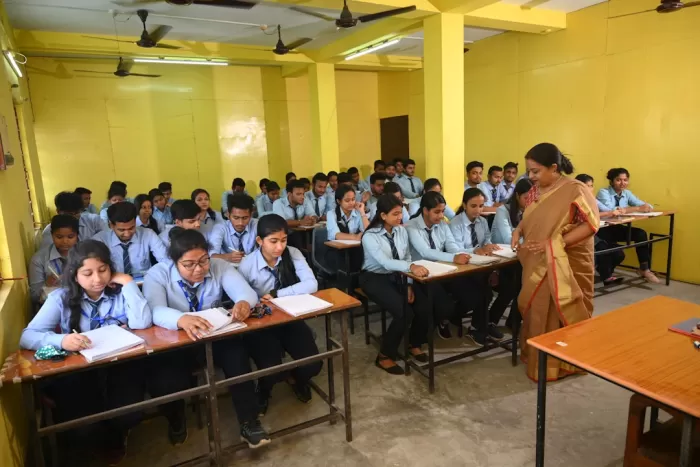
US musicians supporting indigenous language preservation
Many US musicians are actively involved in supporting initiatives aimed at preserving indigenous languages. For example, singer and songwriter Nahko Bear incorporates Native American languages into his music to raise awareness about the importance of preserving these languages.
Educational Initiatives in Schools
Several schools across the country have implemented educational initiatives to teach students about indigenous languages and cultures. For instance, some schools offer language classes in Native American languages as part of their curriculum, helping to keep these languages alive for future generations.
Recording Indigenous Language Lessons
Several US musicians are actively involved in supporting the preservation of indigenous languages. For example, singer-songwriter Nahko Bear incorporates traditional Native American languages into his music to raise awareness.
Another initiative includes recording indigenous language lessons. For instance, Grammy-winning artist A Tribe Called Red collaborated with elders to create a series of tutorials teaching the Mohawk language.
- These efforts not only help to preserve endangered languages but also celebrate the rich cultural heritage of indigenous communities.
- By using their platform to promote language preservation, these musicians are making a significant impact in the movement for linguistic diversity.