Entertainment
Is the Theater Dead? Streaming vs Big Screen in 2025
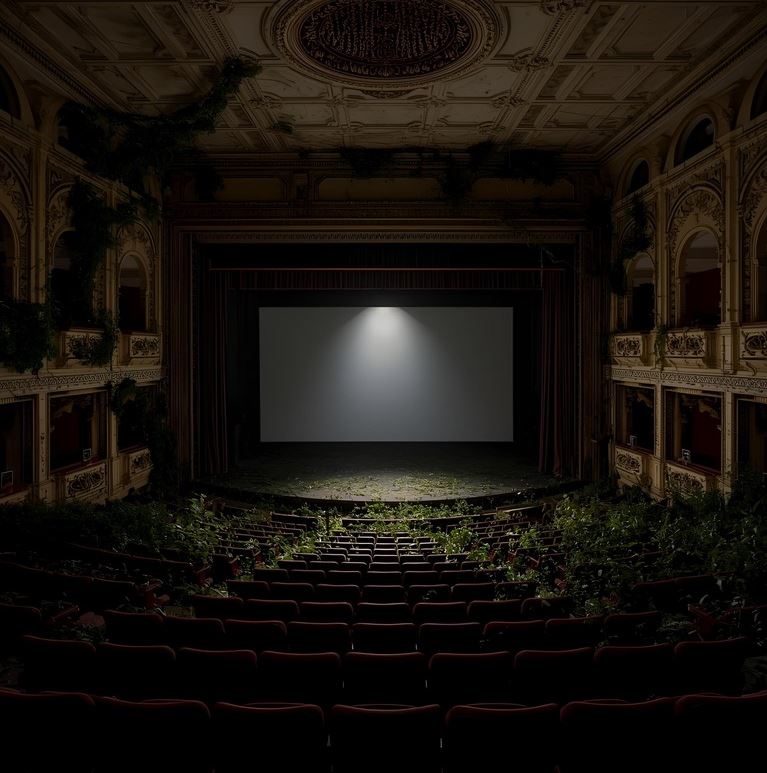
The debate over the future of cinema has reached a tipping point. With the rise of streaming platforms, the traditional movie theater is facing a crossroads.
In 2025, viewers have more options than ever, and the entertainment industry is evolving at lightning speed.
But does that mean the theater is dead, or is there still a place for the big screen experience?
Let’s explore.
The Rise of Streaming: A Revolution in Entertainment
Over the past decade, streaming platforms such as Netflix, Disney+, Amazon Prime Video, and Apple TV+ have transformed the way we consume movies and TV shows. In 2025, streaming has reached new heights:
-
Global Reach: Streaming platforms are available almost everywhere, breaking down geographical barriers for audiences.
-
Convenience: Viewers can watch new releases at home, pause and resume at will, and avoid long trips to crowded theaters.
-
Original Content Explosion: Streaming services are producing their own high-budget films, some rivaling traditional blockbuster releases in quality and star power.
These factors have changed audience expectations, making convenience and on-demand access a primary consideration when choosing how to watch a movie.
The Big Screen Experience: Why Theaters Still Matter
Despite streaming’s dominance, theaters offer experiences that home viewing simply cannot replicate:
-
Immersive Technology: IMAX, Dolby Atmos, and 4D theaters provide sights and sounds that make films feel larger than life.
-
Social Experience: Going to the movies is still a communal activity, from date nights to group outings, creating shared emotional moments.
-
Event Releases: Major blockbusters, especially franchises like Marvel, DC, or The Conjuring Universe, still draw huge crowds for opening weekends, often fueled by marketing hype and fandom excitement.
In fact, theaters are adapting to stay relevant by offering luxury seating, gourmet concessions, and premium experiences designed to make audiences feel like the cinema is worth leaving the house for.
Trends in 2025: Hybrid Models and Changing Release Windows
One of the biggest shifts in 2025 is the adjustment of release windows:
1. Simultaneous Releases (Day-and-Date)
-
In 2025, many studios are adopting the day-and-date model, releasing movies in theaters and on streaming platforms on the same day.
-
Benefits:
-
Instantly reaches a global audience.
-
Allows viewers who cannot go to theaters to participate in the premiere.
-
Provides studios with valuable audience data on who is watching and where.
-
-
Risks:
-
Potential box office revenue loss, as some viewers choose to watch at home.
-
Can dilute the “event” feeling of a theater-exclusive release.
-
2. Shortened Theatrical Windows
-
Historically, studios gave theaters 90 days or more of exclusivity before releasing a film on digital platforms.
-
Today, this window has shrunk to 3–6 weeks for many major releases.
-
Impact:
-
Enables faster monetization through streaming or premium VOD.
-
Helps combat digital piracy by providing official access sooner.
-
Requires faster marketing campaigns to generate excitement within a shorter period.
-
3. Premium On-Demand / Early Access
-
Some platforms allow viewers to pay extra to see a release before its general streaming availability, replicating the exclusive premiere experience.
-
Example: a Disney+ movie might offer a “premium early access” for $15–25 weeks before official streaming.
-
This creates an intermediate experience between theaters and home viewing: event-like excitement + convenience.
4. Hybrid Models as a Diversification Strategy
-
Major studios (Warner Bros, Universal, Disney) now combine:
-
Short theatrical runs to generate buzz and reviews.
-
Immediate streaming or premium VOD to maximize revenue and global reach.
-
Exclusive digital content to retain subscribers.
-
-
This allows the same content to serve multiple commercial goals: box office revenue, subscriptions, merchandise, and fan engagement.
5. Audience and Marketing Impacts
-
Hybrid releases demand faster, more aggressive marketing since the exclusive window is shorter.
-
Studios leverage social media and viral content to ensure the release feels significant both in theaters and at home.
-
The pressure to generate opening weekend hype is greater than ever, as the film is simultaneously available to everyone.
The Economics of Viewing: What Audiences Value
The question of theater survival isn’t just about technology—it’s about economics and perceived value:
-
Ticket Costs vs Subscription: A streaming subscription is often cheaper than a single movie ticket for a family.
-
Convenience Factor: Avoiding travel, parking, and theater queues makes streaming more attractive.
-
Scarcity and Exclusivity: Limited-time theatrical releases create urgency, which is why event movies still perform well at the box office.
Ultimately, theaters must offer experiences that justify their price point and time investment.
Are Theaters Dead? Not Yet
While streaming continues to grow, the theater is far from dead. Instead, both coexist in a rapidly evolving ecosystem. Key points:
-
Theater as a Premium Experience: Big screens, luxury amenities, and immersive formats remain a draw.
-
Streaming for Convenience: On-demand access is here to stay, appealing to casual viewers or those who cannot attend theaters.
-
Franchise Power: Established franchises still rely on theatrical releases for opening weekend buzz and global marketing impact.
In 2025, the battle isn’t about replacing theaters, it’s about redefining their value and integrating them with the streaming world.