Beauty
Korean Glass Skin Treatment Side Effects: What You Need to Know Before Starting Your Glow Journey
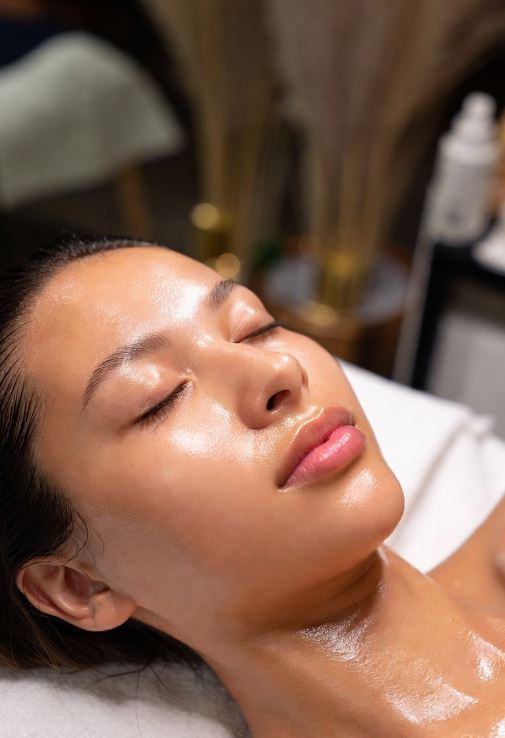
If you spend any time on beauty TikTok, Instagram, or YouTube, you’ve probably seen that glow.
The kind that looks unreal—smooth, poreless, almost reflective. That ultra-dewy, ultra-hydrated complexion known as Korean glass skin has taken the beauty world by storm.
Influencers swear by it. Celebrities chase it. Skincare brands create endless routines to help you achieve it.
But as popular as it is, one question is becoming more common among beginners:
“Are there any Korean glass skin treatment side effects?”
Like any skincare trend, the answer isn’t a simple yes or no. While glass skin routines can work wonders, they can also backfire if you jump in too fast, layer too many products, or choose ingredients that don’t suit your skin.
This article breaks down the most common side effects of Korean glass skin treatments, why they happen, and—most importantly—how to avoid them so you can enjoy the glow without damaging your skin.
Let’s dive in.
Understanding the Korean Glass Skin Trend
Before we talk about Korean glass skin treatment side effects, it’s important to understand what “glass skin” actually means.
Glass skin is:
-
deeply hydrated
-
smooth and even in tone
-
free from visible pores
-
naturally radiant, not greasy
-
plump and elastic
Achieving it often involves multi-step routines that include:
-
double cleansing
-
exfoliation
-
toners
-
essences
-
serums
-
ampoules
-
moisturizers
-
sheet masks
-
sunscreen
Some people also undergo professional treatments, such as:
-
chemical peels
-
laser facials
-
microdermabrasion
-
hydrafacials
-
microneedling
All this sounds amazing—until your skin says “nope.”
Why Do Korean Glass Skin Treatment Side Effects Happen?
Side effects usually occur for four main reasons:
-
Over-layering products
-
Over-exfoliating
-
Mixing incompatible ingredients
-
Using treatments not suited for your skin type
Glass skin routines focus on hydration and renewal, but too much of anything—even hydration—can irritate your skin.
Common Korean Glass Skin Treatment Side Effects (and How to Fix Them)
Below is a detailed look at the most frequent issues people face when trying to achieve glass skin.
1. Skin Purging
Purging is one of the most misunderstood Korean glass skin treatment side effects.
What is Purging?
Purging happens when active ingredients (like AHAs, BHAs, or retinoids) speed up skin cell turnover. This can push clogged pores to the surface faster, causing:
-
small pimples
-
whiteheads
-
increased oiliness
-
temporary breakouts
Why It Happens in Glass Skin Routines
Many glass skin routines include exfoliating toners or serums with:
-
glycolic acid
-
lactic acid
-
salicylic acid
-
mandelic acid
These can trigger purging—especially if your skin isn’t used to them.
How to Fix It
-
Introduce exfoliants once per week, then increase gradually.
-
Avoid using multiple exfoliants in the same routine.
-
Reduce product use if breakouts last longer than 6 weeks (that means irritation, not purging).
2. Redness and Irritation
One of the most common korean glass skin treatment side effects—especially for sensitive skin—is redness and irritation.
What Causes It?
-
Using harsh exfoliants too often
-
Fragrances or essential oils in some K-beauty products
-
Overwashing or over-cleansing
-
Barrier damage from too many active ingredients
Signs to Watch For
-
Stinging after applying products
-
Burning sensations
-
Patchy red areas
-
Tight or itchy skin
How to Fix It
-
Switch to non-fragrance and hypoallergenic K-beauty brands.
-
Use calming ingredients like Centella Asiatica, ceramides, or snail mucin.
-
Avoid alcohol-based toners.
-
Space out exfoliation days.
3. Excessive Oiliness
Surprisingly, some people experience oily skin as a side effect of Korean glass skin routines.
Why Does This Happen?
If your skin is overloaded with:
-
heavy moisturizers
-
essences
-
serums
-
emollients
…it may respond by producing even more oil.
This is especially true for those with naturally oily or combination skin.
How to Fix It
-
Use gel-based moisturizers instead of thick creams.
-
Choose lightweight serums and skip unnecessary steps.
-
Avoid occlusive ingredients if you live in a hot, humid climate.
4. Breakouts and Clogged Pores
Too many layers can clog pores—especially if products contain:
-
mineral oil
-
shea butter
-
coconut oil
-
petrolatum
-
silicones (for some people)
Signs of Clogged Pores
-
Blackheads
-
Whiteheads
-
Tiny bumps (closed comedones)
How to Fix It
-
Simplify your routine to 4–5 essential steps.
-
Use non-comedogenic products.
-
Add a BHA (salicylic acid) once a week.
-
Avoid sleeping with heavy night masks every night.
5. Skin Barrier Damage
This is one of the most serious korean glass skin treatment side effects.
How It Happens
The glass skin trend encourages:
-
frequent exfoliation
-
multiple actives
-
long routines with many chemical ingredients
Over time, your skin barrier can weaken.
Signs Your Barrier Is Damaged
-
Constant redness
-
Tightness
-
Flaking
-
Burning or stinging
-
Sudden sensitivity to all products
How to Fix It
-
Completely stop using actives for 2–4 weeks.
-
Focus on barrier repair:
-
ceramides
-
hyaluronic acid
-
centella
-
panthenol
-
squalane
-
-
Switch to a minimal 3-step routine while healing.
6. Hyperpigmentation Worsening
Some people try to fix dark spots with:
-
vitamin C serums
-
exfoliating acids
-
brightening ampoules
But incorrect use can cause the opposite effect.
Why Hyperpigmentation Gets Worse
-
Acids increase sun sensitivity
-
Inconsistent sunscreen use
-
Applying vitamin C at the wrong strength
-
Aggressive exfoliation that triggers inflammation
How to Fix It
-
Use sunscreen every single day.
-
Try gentler brighteners:
-
niacinamide
-
licorice root
-
snail mucin
-
tranexamic acid
-
-
Reduce strong acids to once per week.
7. Dryness and Flakiness
Ironically, some people experience dryness—even though the goal is hydration.
Why It Happens
-
Using foaming cleansers with harsh surfactants
-
Over-cleansing (double cleansing twice a day)
-
Dehydrating alcohols in toners
-
Too many acids stripping natural oils
How to Fix It
-
Use hydrating cleansers.
-
Double cleanse only at night.
-
Add hydrating toners with hyaluronic acid or rice extract.
-
Reduce exfoliation frequency.
8. Allergic Reactions
Some K-beauty products contain:
-
plant extracts
-
botanicals
-
essential oils
-
fermented ingredients
These can trigger allergies in sensitive skin.
Symptoms
-
sudden rash
-
swelling
-
itching
-
hives
-
severe redness
How to Fix It
-
Patch test new products.
-
Switch to minimalist, sensitive-skin Korean brands like:
-
COSRX
-
Purito
-
Atopalm
-
Etude SoonJung
-
Side Effects From Professional Korean Glass Skin Treatments
Beyond topical products, many people seek professional treatments. These can also cause side effects.
1. Chemical Peel Side Effects
Common issues include:
-
burning
-
redness
-
peeling
-
darkening of hyperpigmentation
-
increased sun sensitivity
How to Avoid It
-
Start with low-strength peels.
-
Avoid peels if you have eczema or rosacea.
-
Use heavy SPF for 2 weeks afterward.
2. Laser Facial Side Effects
Laser treatments can cause:
-
swelling
-
redness
-
heat sensation
-
darkening of melasma in some skin tones
Safe Use Tips
-
Choose a dermatologist, not a spa.
-
Make sure your skin tone is suitable for the laser type.
3. Microneedling Side Effects
Possible issues:
-
irritation
-
infection
-
prolonged redness
-
micro-scarring
Prevention
-
Sterile equipment only.
-
Avoid DIY microneedling rollers.
4. Hydrafacial Side Effects
Though gentle, some people experience:
-
breakouts
-
sensitivity
-
temporary dryness
How to Safely Achieve Glass Skin Without Side Effects
The good news?
You can absolutely achieve a gorgeous, glowing, glass-like complexion without suffering from the worst korean glass skin treatment side effects.
Here’s how.
1. Start Slow
Instead of jumping into a 10-step routine, begin with 3–5 steps:
-
Gentle cleanser
-
Hydrating toner
-
Lightweight serum (niacinamide or hyaluronic acid)
-
Moisturizer
-
Sunscreen
Add actives only after your skin is stable.
2. Choose the Right Ingredients for Your Skin Type
Oily Skin
-
gel moisturizer
-
niacinamide
-
salicylic acid
-
lightweight sunscreen
Dry Skin
-
ceramides
-
hyaluronic acid
-
squalane
-
rich moisturizers
Sensitive Skin
-
centella asiatica
-
panthenol
-
fragrance-free products
3. Introduce Exfoliants Slowly
Use acids:
-
once per week initially
-
twice per week if skin tolerates well
Never use multiple exfoliating products in the same routine.
4. Patch Test Everything
Put a little product behind your ear or on your inner arm for 24 hours.
5. Simplify If You See Side Effects
If your skin is irritated:
-
stop actives
-
remove fragranced products
-
reduce layers
Healing always comes before glowing.
6. Sunscreen is Non-Negotiable
Almost all korean glass skin treatment side effects get worse without sunscreen.
Use SPF 30+ daily, even on cloudy days.
Are Korean Glass Skin Treatments Worth It?
Absolutely—if you approach them with patience and awareness.
Korean skincare is gentle, hydrating, and effective for many people. But like any popular trend, it’s easy to go overboard. Most korean glass skin treatment side effects happen because users try to follow long routines without understanding their skin’s needs.
The key to safe, beautiful, glowing skin is:
-
start slow
-
use fewer, better products
-
listen to your skin
-
avoid ingredient overload
-
protect your barrier