Fashion
Can I Lay on My Side After Botox? The Ultimate Guide to Post-Treatment Care for Optimal Results
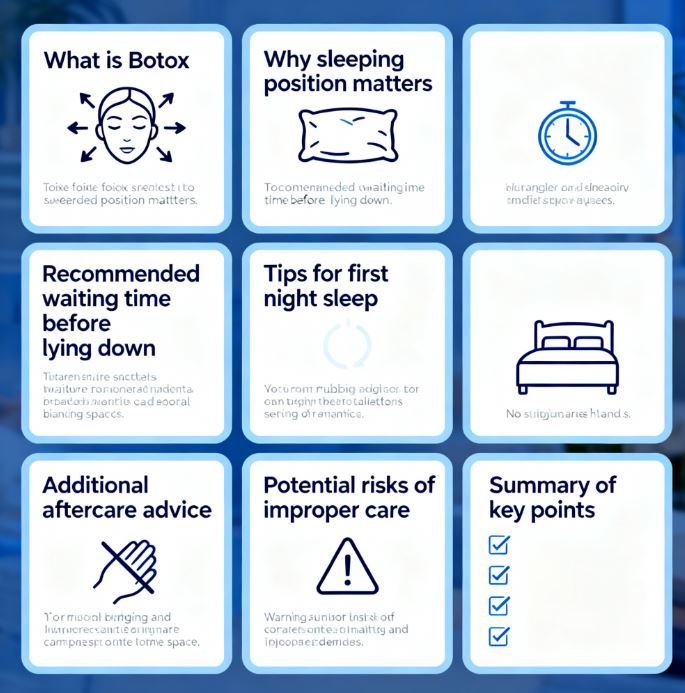
When it comes to Botox treatments, one of the most frequently asked questions is about sleeping or lying positions after the injections. Specifically, many wonder: "Can I lay on my side after Botox?" Understanding the proper aftercare is crucial not only for ensuring the best cosmetic outcome but also for preventing unwanted side effects.
In this comprehensive guide, we'll explore everything you need to know about positioning after Botox, what the science and experts say, and practical tips to maximize your results.
What Is Botox and How Does It Work?
Botox, or Botulinum toxin, is a neurotoxic protein used in cosmetic and medical treatments to temporarily relax muscles. By inhibiting nerve signals that cause muscle contraction, Botox smooths wrinkles and fine lines, particularly around the forehead, eyes, and mouth. The treatment requires precise injections into target muscles by licensed professionals.
Why Does Sleeping Position Matter After Botox?
After injection, Botox needs time to bind precisely to the nerve endings in the injected muscles. Movement, pressure, or friction on treated areas before the substance fully sets can cause the product to migrate. This migration potentially reduces effectiveness or causes unintended muscle relaxation in nearby muscles. For example, it might cause drooping eyelids or asymmetry.

What Does the Research Say About Lying Down After Botox?
Multiple expert resources and dermatologists recommend avoiding lying down for at least 4 to 6 hours after Botox injections. This is based on the understanding that gravity and pressure could encourage Botox diffusion away from the intended site.
However, some studies and expert opinions argue that slight movements may have minimal impact due to the small quantities injected and the injection technique. Still, erring on the side of caution is advised to protect your investment.
Can You Sleep on Your Side the Night of Botox?
Many patients fear that sleeping on their side immediately after treatment will negatively affect results. Experts recommend that for the first night or 12 hours after Botox treatment, you sleep on your back with your head elevated.
Sleeping on your stomach or side on the night of treatment potentially increases pressure on the treated areas and could change the distribution of the toxin. After 24 hours, the Botox starts to take firm hold, and you can resume your regular sleeping positions safely.
Additional Aftercare Tips to Enhance Botox Effectiveness
-
Do Not Rub or Massage: Avoid touching, rubbing, or massaging treated areas for the first 24 hours to minimize irritation or product displacement.
-
Stay Upright: Maintain an upright position for at least four hours post-treatment. This includes avoiding lying flat, bending over, or intense exercise.
-
Avoid Heat Exposure: Saunas, hot tubs, sunbathing, or intense heat should be avoided for 24 to 48 hours as heat increases blood flow and may interfere with Botox binding.
-
Skip Alcohol and Blood Thinners: Alcohol and blood-thinning medications can increase bruising and swelling risk if consumed shortly after treatment.
-
Follow Your Provider’s Instructions: Always adhere strictly to personalized care directions from your injector.
What Happens if You Ignore These Guidelines?
Ignoring post-Botox care instructions, including lying down too soon, can lead to:
-
Reduced Efficacy: Botox may not fully relax target muscles, resulting in incomplete wrinkle reduction.
-
Side Effects: Unwanted migration can cause ptosis (drooping eyelids), asymmetry, or muscle weakness away from the injection site.
-
Increased Bruising and Swelling: Lying down early can increase the chance of blood pooling, which worsens bruising.
When to Seek Medical Advice
If you notice unusual drooping, weakness, vision changes, or swelling beyond typical mild bruising after Botox, contact your healthcare provider immediately.
Summary
-
Avoid lying down or sleeping on your side for at least 4 to 6 hours after Botox injections.
-
Sleep on your back with the head elevated the first night.
-
After 24 hours, normal sleeping positions can be resumed safely.
-
Follow other aftercare tips including not rubbing the area and staying upright.
-
Adhering to these precautions significantly improves Botox outcomes and minimizes side effects.
Final Thoughts
Botox is a trusted treatment with satisfying results when proper post-care is followed. While the fear of lying on your side post-treatment is understandable, the key is timing and gentle handling of treated areas. With these guidelines, patients can enjoy smoother, younger-looking skin safely and effectively.